Suit says dynamic AI prices at McDonald’s are ‘nickel-and-diming consumers’
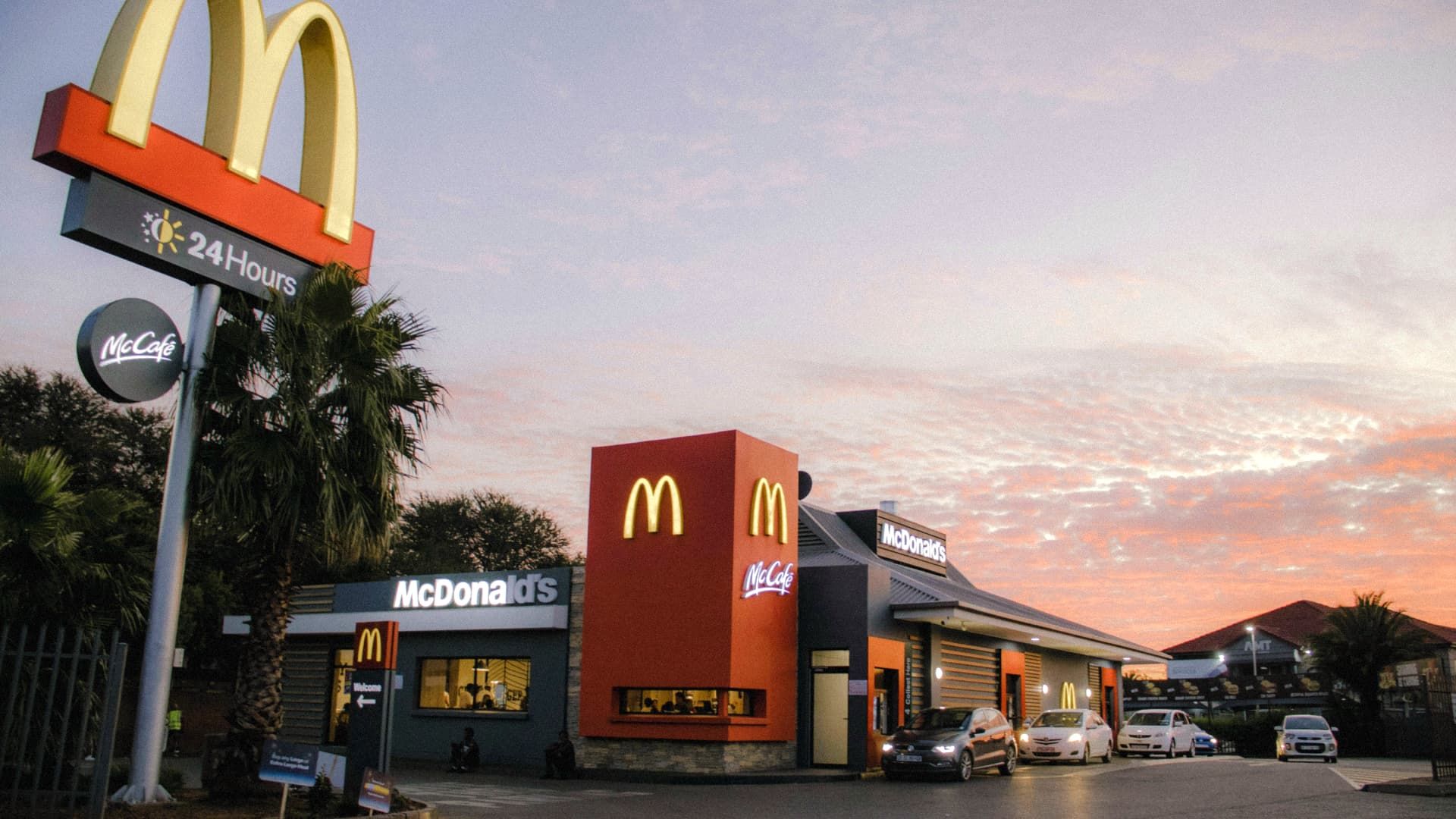
- McDonald’s is being sued over its use of dynamic AI pricing
- The lawsuit alleges it colluded with franchises to set prices
- McDonald’s denies the allegations made in the antitrust case
How would you feel if you got charged more for your McDonald’s meal simply because some opaque AI algorithm decided you should? You’d probably be pretty unhappy, and the practice is now in the spotlight as the fast-food chain is being hit with an antitrust lawsuit over its usage.
The proposed class-action suit alleges that McDonald’s has coordinated pricing between the chain itself and its independent restaurants that operate as part of its franchise system. It claims that, instead of competing among themselves on affordability, McDonald’s franchises are colluding to set prices recommended by AI algorithms, potentially inflating the costs charged to consumers as a result.
According to Reuters, McDonald’s uses its AI algorithm to set prices at roughly 14,000 restaurants in the US and can suggest prices for individual menu items. It considers various data factors, including local purchasing behavior and estimates of the prices consumers will be willing to pay in different locations. But this hasn’t gone down well with everyone.
“Independent businesses must set their prices independently,” the lawsuit states, as per Reuters. Lark Turner, a lawyer for the suit’s plaintiffs, said that McDonald’s is “leveraging its troves of data and its franchised system to nickel-and-dime consumers down to the last French fry.”
The lawsuit argues that McDonald’s and its franchisees have engaged in an unlawful instance of price coordination dating back to 2019. Although it is still in an early stage, it is seeking damages on behalf of potentially millions of consumers.
Future ramifications
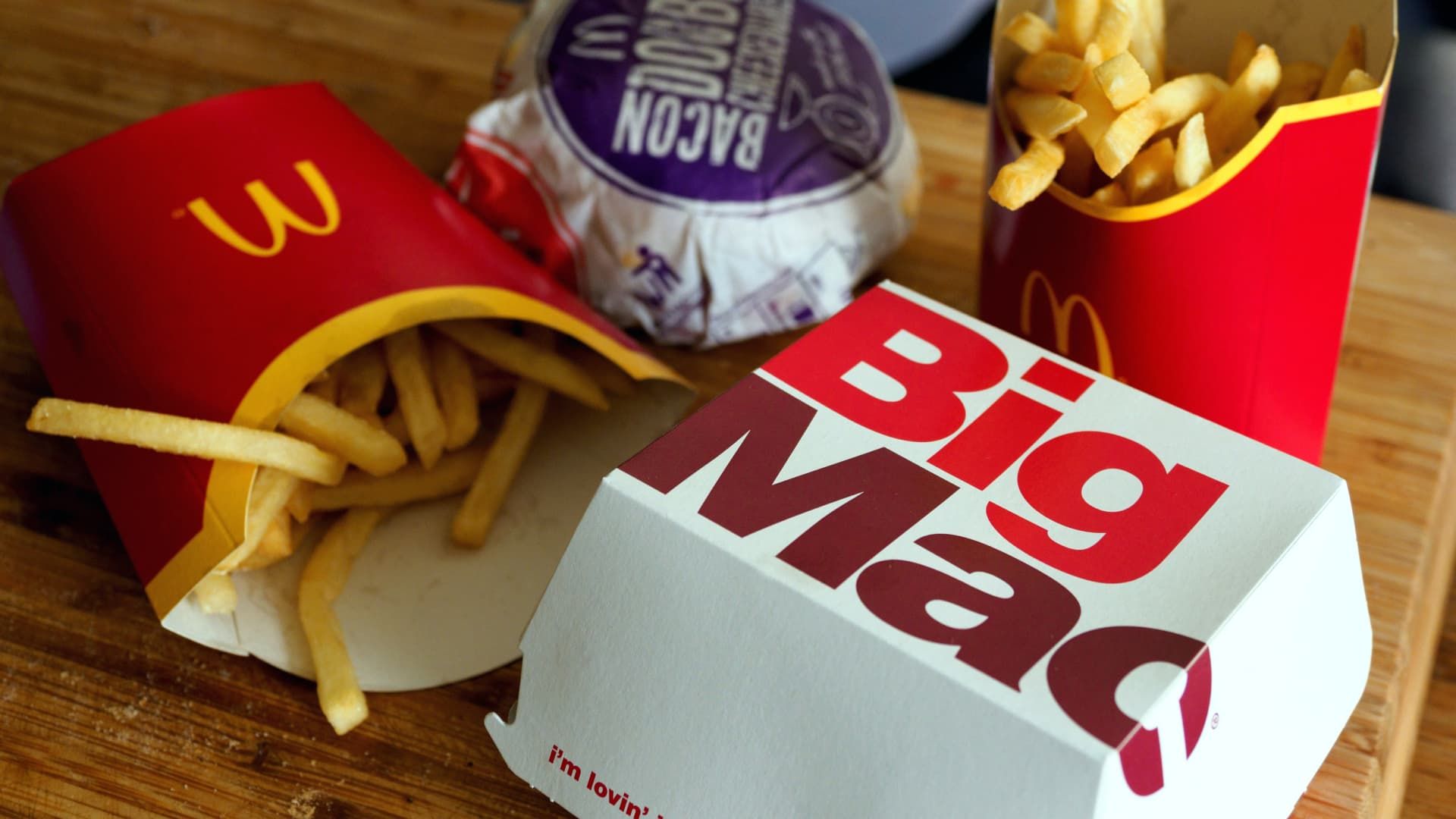
McDonald’s has disputed the claims put forth in the lawsuit, saying that “AI does not set the price of a Big Mac or any other menu item.” It added that franchisees can decide their own menu item prices and that the use of AI to recommend prices is used across multiple industries.
In that last regard, McDonald’s is correct. Firms including Sony, Amazon, Walmart, Best Buy and more often adjust their prices multiple times throughout the day, meaning what you pay in the morning might be different in the evening. This dynamic pricing is powered by AI — and could leave consumers out of pocket if they shop at the wrong time.
This practice might be widespread, but whether that makes it acceptable — or, in the case of the McDonald’s franchises, legal — is another matter, one which this class-action lawsuit could help to decide. As AI is rolled out to almost every facet of daily life, regular consumers have very little visibility over how it affects them and the prices they pay.
Not all fast-food restaurants are rushing to employ AI systems. Chick-fil-A, for example, has refused to install AI in its drive-thru lanes, instead using human employees to take orders. As Chick-fil-A CEO Andrew Cathy told CNBC, “From our experience, we really want that hospitality to be human to human.”
As for the McDonald’s lawsuit, it touches on the issue of where the restaurant chain’s centralized control ends and where local franchise decisions begin. Throw AI into the mix and you’ve got a heady mix of traditional antitrust legislation and emerging AI tech that could have ramifications far beyond the restaurant industry.