Bestselling author shows why AI-generated movies might not be a bad thing
We’re used to hearing about the negative side of AI; about how it could replace artists, actors, and filmmakers in the creative process. Just recently Tom Cruise made a point of saying that “there is nothing like human”, and Nicolas Cage recently revealed that he has refused to sign an AI waver from Amazon, even if it means he will never work for the studio again.
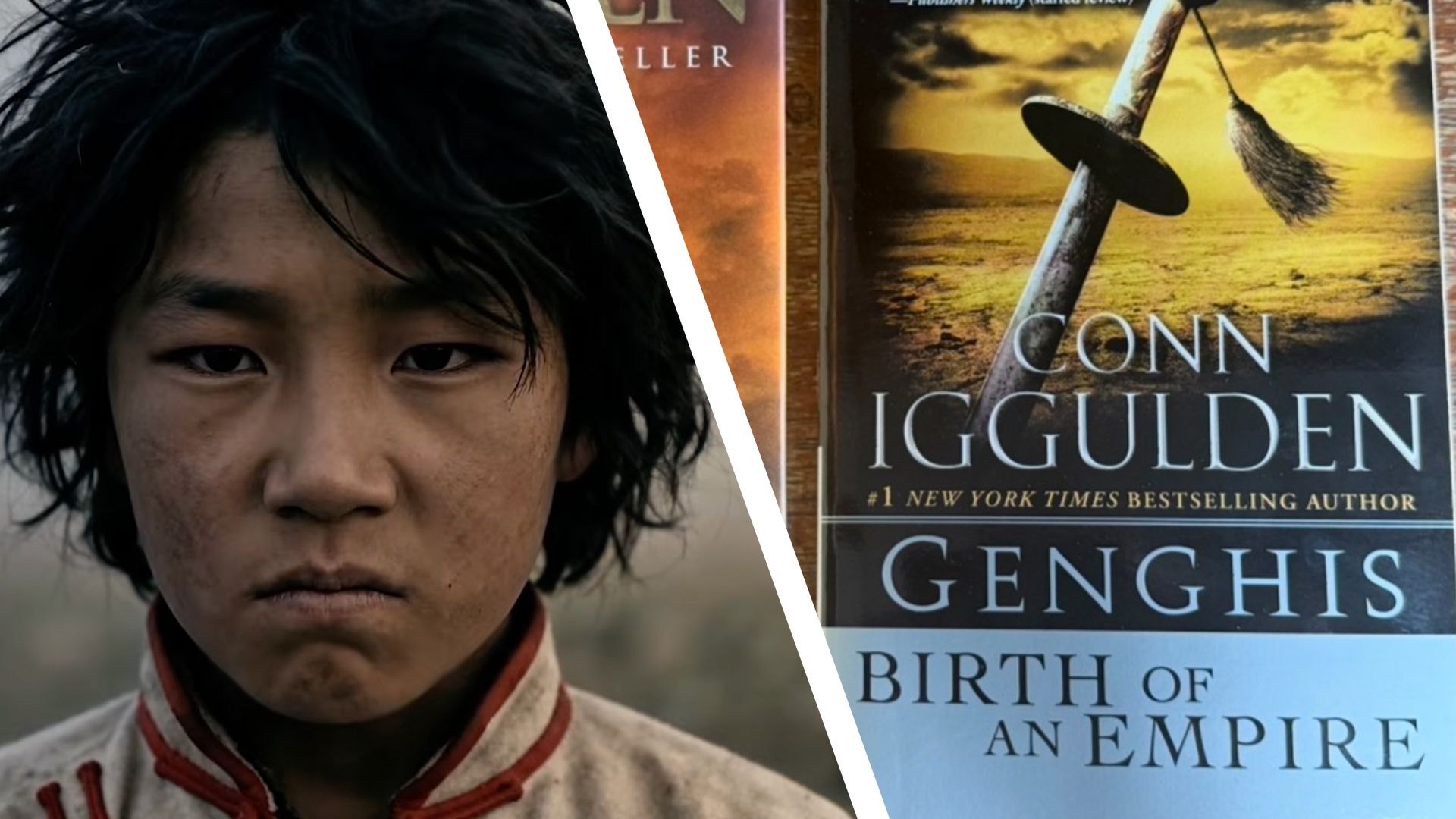
But what if, occasionally, AI makes something possible that would never otherwise have existed? I caught up with author Conn Iggulden to hear how he’s using an AI studio called Authors First to adapt his best selling books about the life of Genghis Khan to the screen — and how it simply wouldn’t have been possible otherwise.
The first thing I asked Iggulden was why he’d gone down the AI route, and if he’d tried a more conventional route first.
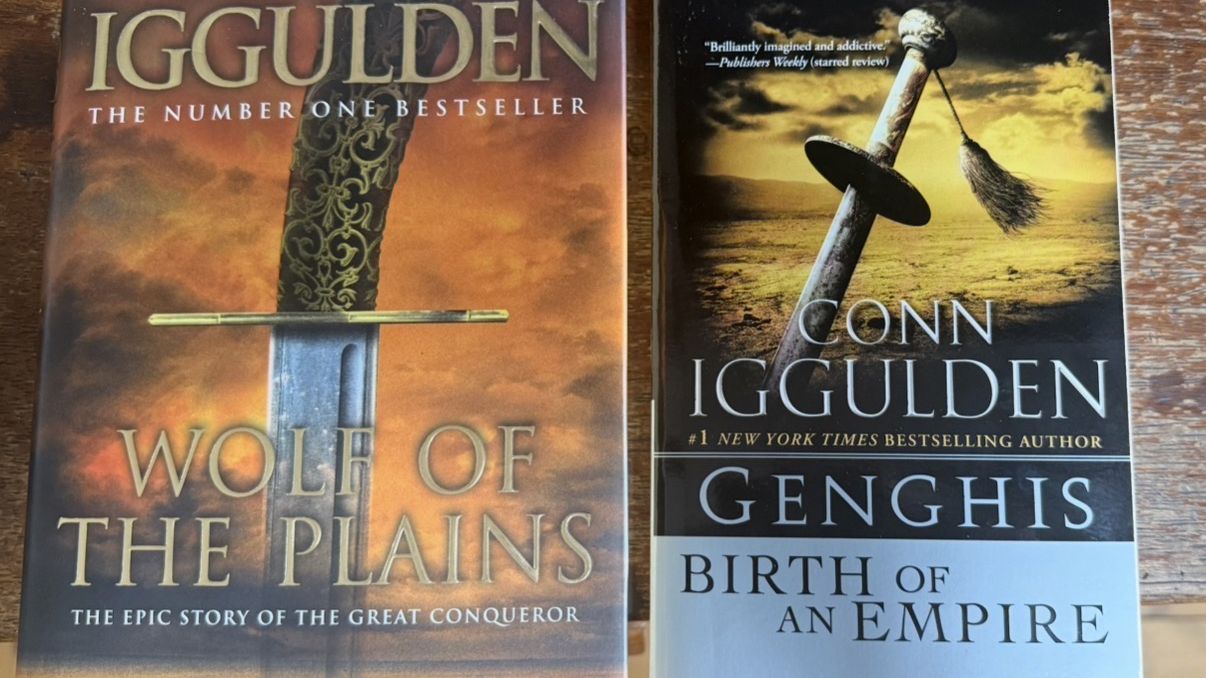
TechRadar: Do you think your Genghis Khan books — Wolf of the Planes and Birth of an Empire — would ever have been adapted for the screen without AI? Was there any interest from traditional film or television producers? And what made this approach possible where conventional filmmaking wasn’t?
Conn Iggulden: The series has been optioned before, yes. I’ll be discreet over names, but the costs were prohibitive, especially as Mongolia sits between China and Russia and experiences frozen temperatures on the edge of the Gobi desert. The Emperor series option is still live and regularly renewed. My Dangerous Book for Boys got one series on Prime when Bryan Cranston became involved as a producer. Still, I’d given up on the Genghis one ever being made. All things are possible, of course, but without Game of Thrones money, it just wasn’t possible. So, no, I don’t believe it would have been made without AI, not this year anyway.
My optimism about AI feels perfectly rational, based on every other aspect of technology.
Conn Iggulden
TR: There’s a real stigma around using AI in creative industries, with some people dismissing AI-generated films as “slop”. Do you understand that reaction? And what would you say to people who believe AI has no place in filmmaking?
CI: I know a young animator who feels the same way. He uses CGI and all sorts of tools, but having just graduated, he feels AI is a step too far. I think he’ll come round. For me, having seen how much actual graft it involves, how much human craft, AI just feels like another tool. I like paintbrushes, but if someone hands me a roller, I’m not going to refuse to use it.
I think it will be used more and more from now on, in subtle ways on every major project. I don’t think there’s a way to put the genie back in the bottle, and so we might as well turn our human creativity and skill to making extraordinary new things with the latest tool available.
I don’t know if you can make yourself an optimist, or whether it’s just a way of seeing the world. My optimism about AI feels perfectly rational, based on every other aspect of technology — based on warnings about trains when they were invented, or cars or GM foods. We need guardrails, yes, and regulators, but humanity has always adapted and thrived. The candlemakers hated the lightbulb makers, but the world moved on.
I like having the author’s vision respected, in casting, in storytelling — in plot. That matters a great deal to me.
Conn Iggulden
TR: One of the big arguments against AI filmmaking is that it potentially takes work away from actors, animators, costume designers and other creative professionals. How do you reconcile that with your enthusiasm for this project? Is the fact that the film might never have existed otherwise an important distinction?
CI: It is one of two vital distinctions, as far as I’m concerned. These first Genghis episodes, and I hope many more, would not exist without the ambition of Authors First to create a body of work. Without them, this would still be the series of books that would look amazing on screen, but never quite got there.
The other point is the Authors First vision of making it as true to the books as possible. I don’t know if you saw Stephen King’s The Long Walk recently, with Cooper Hoffman, but the director changed the ending, the most important part of it. Spoiler: he took away the unconquerable human soul ending and ruined it. I like having the author’s vision respected, in casting, in storytelling — in plot. That matters a great deal to me.
TR: You say one of the attractions was being able to preserve your original vision. Has there been a moment when you saw something on screen that was exactly how you’d imagined it when writing the books? And have there been moments when AI simply couldn’t deliver what you wanted?
CI: Everyone knows the Genghis story is one of conquest. My reason for writing the original books was to show the family that raised him — the part of his life that involved being abandoned with his six siblings and his mother, of being hunted and surviving against the odds. It is one of the great stories of human history — and at the heart is a warm family saga. When the AI showed Genghis and his brothers, there were moments when I felt goosebumps. The affection I wrote, the love they had for each other, shines through. That is the heart of the story.
Choosing the right faces is a judgement call for which an AI has no frame of reference. ‘Casting’ one of the young women was a problem because [the AI generation] was too beautiful, for example. I wanted gritty realism, not a pin-up. That was all possible, but it required constant adjustment, going back and forth, over and over. We struggled with some guardrail aspects as well: the historical Genghis was born with a clot of blood in his fingers. That was interpreted as being born with death in his right hand, so a key part of his legend. The [AI’s guardrails] resisted the proximity of blood and baby, even a new-born baby. We had to go back again and again, using different AI models, to make that clot bigger than a speck.

I think though that we’ve reached a place where an audience will forget it is watching an AI, yes.
Conn Iggulden
TR: You say the technology has improved so dramatically in just six months that they’ve had to remake entire episodes. Do you think audiences will be able to tell they’re watching an AI-generated production, and does it matter if they can?
CI: I’m sure you know there is a white car in the background of Braveheart, and a man in blue jeans who creeps out of shot in Gladiator. There are errors in traditional film making, and I’ve no doubt there will be something we’ve missed in this series. I think though that we’ve reached a place where an audience will forget it is watching an AI, yes.
There are moments of humor, subtle expressions from the boys that are so real it is astonishing. Perhaps the fact that it’s based on a real story matters. Genghis did exist and lived in that landscape. If you read my books on him, you’ll picture the sea of grass he knew. If you watch this, you’ll see it. My hope is that the audience will be immersed in the story, that they’ll care about this extraordinary family, forced to endure enemies all around them. That’s what matters — the story, the family.
TR: If AI makes it possible for thousands of books that would never have been adapted to become films or television series, do you think that represents a new golden age for storytelling, or is there a danger we’ll end up with more content but less artistry?
CI: With human beings involved, both can be true. Look, some people read, some prefer audio books or film — or love all three. The thought of a new body of film out there of books I love? That is Golden Age territory, definitely.
There will be companies like Authors First and Promise AI producing high-quality storytelling for the public to enjoy. Just the idea of David Gemmell’s books being finally — finally! — shown on screen is worth this whole enterprise. Or Peter F Hamilton. Or a sequel to Master and Commander at last. Why not? Everyone knows the original was superb, but so expensive it almost bankrupted the studio. The actors have aged out of the roles, but why not a sequel from those magnificent books, or a new TV series to match the old Hornblower ones with Ioan Gruffudd? The future is creative and exciting with this new tool.
To answer the second bit, yes, sigh, there will also be thousands of episodes of poor quality from workshops who care more about volume than quality. That is the nature of humanity — Breaking Bad on the one hand… and I make it a rule not to criticize other people’s creative work on the other. I know how hard it is to produce, no matter how it’s done.
The first six episodes of Genghis Khan: Birth of an Empire will be available on a streaming platform next month. To find out more details of the release, sign up for the Authors First newsletter.